
About us
About Garkazi Care
An Indigenous-led care organisation bringing cultural identity together with social and emotional wellbeing across Far North Queensland.

Organisation overview
Who we are
Garkazi Care is a First Nations care organisation working to support young people who are vulnerable, at risk, or who need care and support. We work alongside children, young people, families, carers and people with disability to strengthen safety, identity, independence, wellbeing and connection.
We are proudly Indigenous-led and support First Nations self-determination, community strength and positive pathways for Aboriginal and Torres Strait Islander children, young people, families and communities.
The Garkazi story
Garkazi Care takes its name from Wagadagam and Yuin man Eli Martin, who co-founded the organisation with a group of men who became brothers through their shared commitment to caring for community and the next generation. Their vision brought together a holistic approach, social integrity, community care and cultural identity.
“Garkazi” is a Kala Lagaw Ya word referring to a man, male or person. Kala Lagaw Ya is one of the two traditional languages of the Torres Strait, the other being Meriam Mir. The name was chosen to acknowledge the four brothers who came together to seek a better way forward in the care and social-impact sector. It also reflects the responsibility that men have in supporting families, communities and future generations. Through this name, we hope to reflect the cultural, social and personal values we hold: standing up to support the most vulnerable and being proactive examples of positive change within our community.
Garkazi Care was established to provide holistic, community-oriented care that brings cultural identity together with social and emotional wellbeing. Guided by the principle that it takes a village to raise a child, Garkazi Care seeks to build pathways to safety, wellbeing, belonging and opportunity for young people who need support.
Through culturally capable practice and a Social and Emotional Wellbeing approach, Garkazi Care aims to help young people understand their identity, strengthen their wellbeing and pursue lives filled with opportunity and purpose.
Vision
Strong children, young people, families and communities connected to culture, identity, safety and opportunity.
Mission
To provide culturally grounded, person-centred care that strengthens wellbeing, independence, belonging and positive life pathways.
Values
What guides our practice
- Respect
- We meet people, families and communities with dignity and listen before we act.
- Identity
- We support people to know, hold and strengthen who they are.
- Truth
- We speak honestly about what we can and cannot do.
- Connection
- We strengthen relationships with family, kin, community and Country.
- Care
- We provide practical, warm, consistent support.
- Integrity
- We do what we say, and we record it.
- Accountability
- We answer to the people we support and to community.
- Self-determination
- We back First Nations decision-making and community strength.
Leadership
Indigenous-led and community-focused
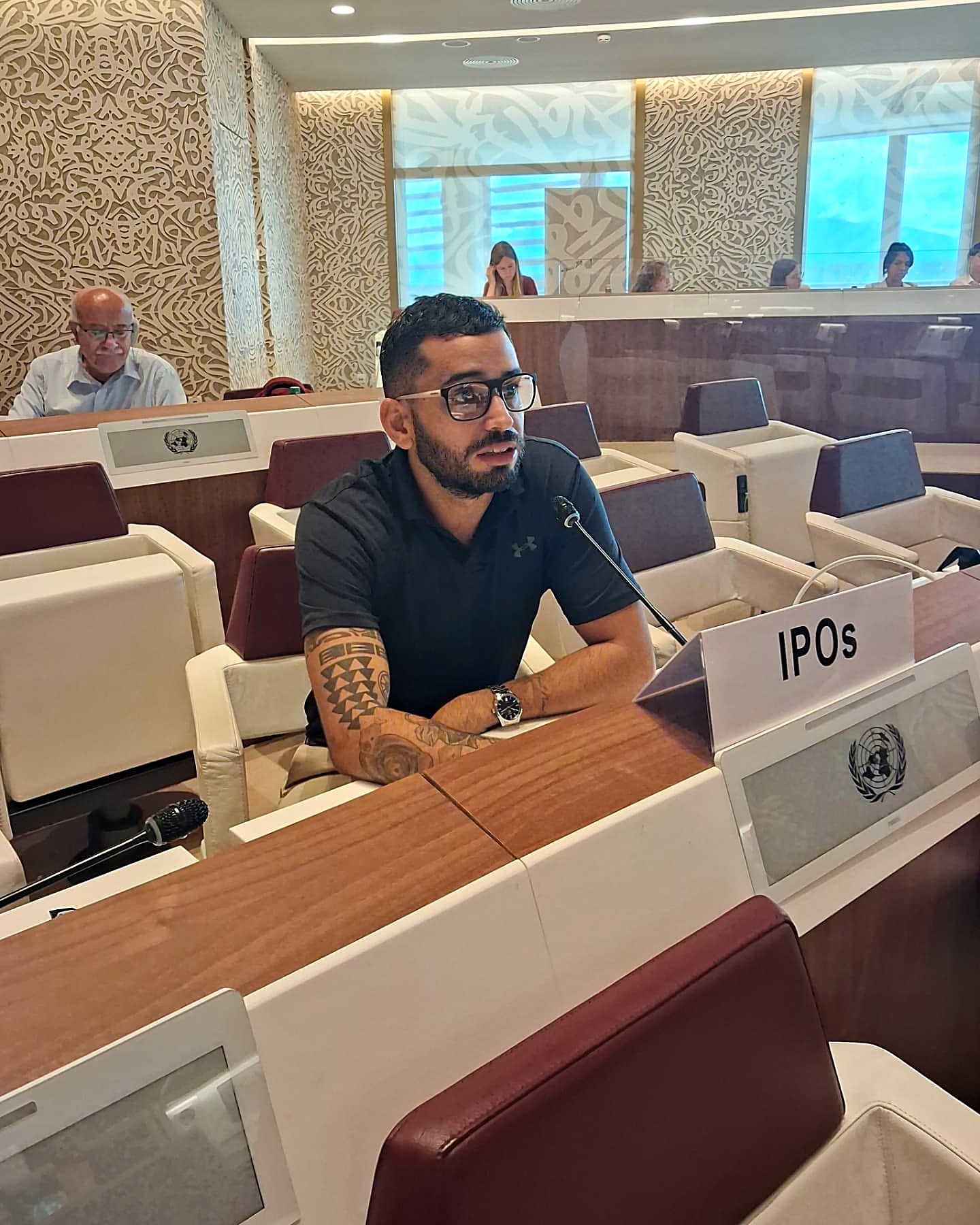
Our leadership brings extensive experience in Indigenous youth development, community engagement, education, mentoring and international Indigenous advocacy, including participation in United Nations Indigenous forums.
Youth-development and community-leadership experience is distinct from statutory child-protection or family-based-care practitioner experience. Specialist service delivery is therefore supported by appropriately qualified practitioners, professional supervision, safeguarding systems, governance, cultural advice and compliance processes.
Leadership, board and advisory profiles will be published once the organisation has supplied and approved the final list.
Community accountability
We are accountable to the children, young people, families and communities we work with. Feedback and complaints are welcomed, acted on and used to improve practice.
Complaints and feedbackOrganisational structure
- Indigenous-led executive leadership
- Qualified practitioners for specialist service delivery
- Professional supervision and practice oversight
- Cultural advice arrangements, consent-based and locally guided
- Quality, safeguarding and compliance functions
- Administration, rostering and participant support functions
Partnerships
Working with others, respectfully
Formal partnership names are published only once agreements are in place and both parties have approved the wording.
Discuss a partnershipCultural authority is not assumed