
Our cultural approach
Culture is not a separate activity
Cultural capability is embedded in governance, recruitment, supervision, assessment, service planning, incident review, partnerships and continuous improvement — not treated as a separate or symbolic activity.

Five pillars
How cultural capability shows up in practice
Respect
We recognise that every community, family and person is different. We ask, we listen, and we follow local guidance rather than assuming what is appropriate.
Identity
Knowing who you are and where you belong is protective. We support children and young people to hold their identity, language, family story and connections.
Truth
We are honest about our role, our limits and what we can deliver. We do not overstate our authority, our approvals or our capacity.
Connection
We work to strengthen connection to family, kin, community and Country, because those relationships carry people through hard times.
Care
Care is practical and consistent — showing up, following through, and treating people with warmth as well as professionalism.
In our systems
Where cultural capability is embedded
- Indigenous leadership and First Nations decision-making
- Cultural safety as a workforce expectation, not an add-on
- Connection to family, kin, community and Country in support planning
- Recognition of local cultural protocols in every community we enter
- Cultural support planning for children and young people
- Community consultation before and during service delivery
- Consent and privacy at every step
- Local employment and workforce development
Cultural advisers and an Elders Advisory Council
Garkazi Care is establishing cultural advice arrangements appropriate to the communities we work with. Names of Elders and advisory members will be published only once individuals have given consent and the organisation has approved the final list.
The role of cultural advice
Avoiding tokenism
We do not use cultural imagery, artwork or language as decoration. Cultural work is resourced, recorded and reviewed like any other part of our practice. Aboriginal and Torres Strait Islander cultures, communities and language groups are distinct, and we do not treat them as interchangeable.
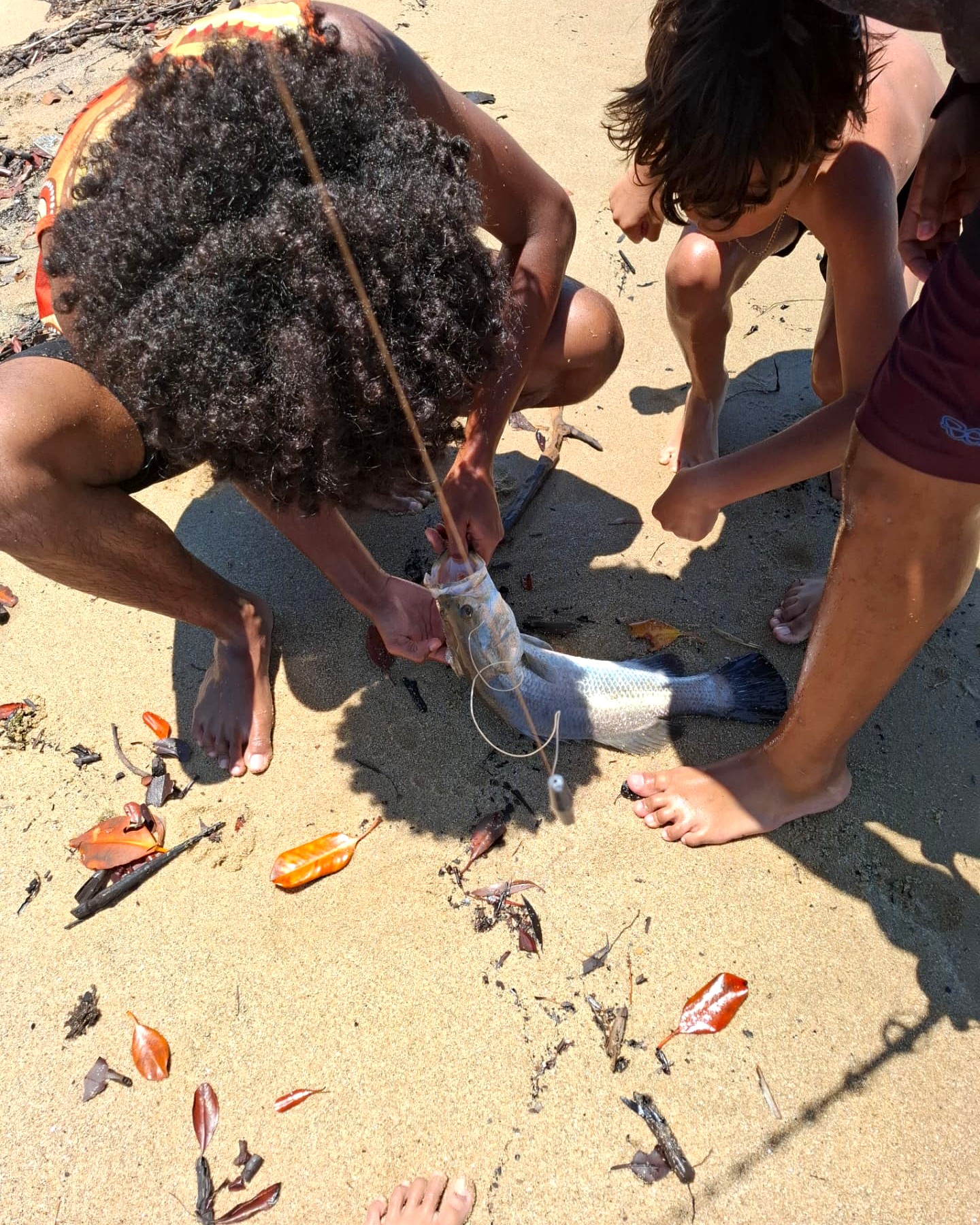
Shared cultural activity
Learning through connection
Acknowledgement of Country
Garkazi Care acknowledges the Traditional Custodians of the lands and waters across Far North Queensland where we live, work and provide support. We honour Elders past and present and recognise the continuing strength, cultures and contributions of Aboriginal and Torres Strait Islander peoples.
This Acknowledgement is provided for local review and approval by the appropriate Traditional Custodians and cultural authority.